Material Durability and Maintenance
A building's longevity is not determined at completion. It is determined by what happens after—by the systematic observation and tending of materials as they encounter decades of environmental exposure, by deliberate acts of repair and protection, and by the accumulated knowledge of how surfaces age under actual conditions.
The Nature of Material Degradation
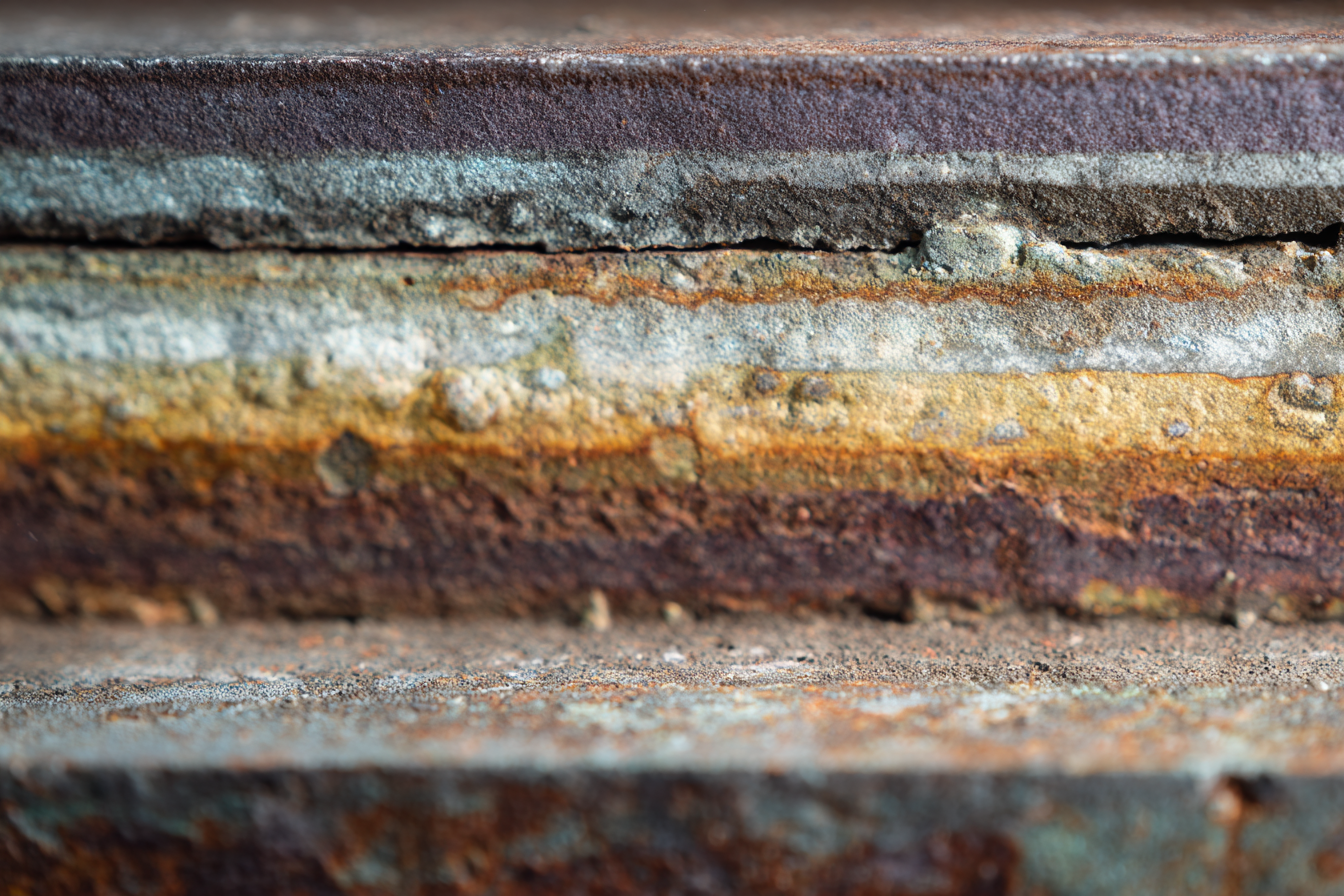
Every material degrades. The process is not random but follows observable patterns rooted in chemistry, physics, and the relentless passage of time. Steel oxidizes when exposed to moisture and oxygen. Stone weathers as water infiltrates its grain, freezes, and expands. Masonry joints lose their binding agent to wind and precipitation. Wood shrinks and swells with moisture fluctuation, developing checks and splits. These are not failures; they are the predictable trajectories of materials encountering the elements.
Understanding degradation pathways is foundational to durability. A material that will fail catastrophically within five years if unprotected may perform admirably for a century if its vulnerabilities are anticipated and mitigated. The difference lies not in selecting perfect materials—none exist—but in selecting materials whose failure modes are understood and manageable, and then actively managing them across time.
Protective Coatings and Surface Treatments
The interface between a material and its environment is where degradation begins. A protective coating creates a barrier, extending the protected material's service life by decades or more. The selection of coating matters profoundly, but so does its application and maintenance.
Paint, when properly applied to wood or steel, does not simply beautify; it seals the substrate against moisture infiltration. Multiple thin coats, built up over years or even months, develop greater adhesion and durability than a single thick application. The substrate must be meticulously prepared—old paint removed, surfaces cleaned and sometimes mechanically roughened—to allow the new coating to bond effectively. This preparation work is unglamorous but determines whether the coating will protect or fail.
Metal building components benefit from hot-dip galvanizing, which creates a metallurgical bond between zinc and steel, sacrificing the zinc preferentially as the structure ages. This system can protect steel for fifty years or more without additional maintenance in many climates. In harsh marine environments, where salt accelerates corrosion, epoxy topcoats layered over zinc-rich primers provide another level of protection. The system must be designed as a whole—primer selection, topcoat chemistry, and surface preparation all support one another.
Masonry, porous by nature, demands different consideration. Water-repellent treatments penetrate the surface without forming a film, allowing the material to breathe while resisting liquid water entry. These treatments require renewal over decades as they gradually lose efficacy. Sealants in joints—the mortar between stones or bricks—deserve equal attention. As mortars fail and joints open, water penetration accelerates dramatically, threatening the structural and thermal performance of the whole assembly.
The Practice of Inspection and Observation
Protection requires visibility into condition. A systematic approach to inspection—periodic, documented, attentive—reveals the early signs of degradation before they become structural concerns. Painted surfaces can be examined for blistering, peeling, or chalking, which signal that protective integrity is compromised. Masonry joints can be probed for mortar loss or cracks that allow water infiltration. Metal elements can be checked for rust formation, first appearing as surface staining before advancing to deeper corrosion.
Some degradation is predictable enough to schedule. In most climates, exterior paint benefits from renewal every seven to twelve years, depending on substrate, coating quality, and exposure. Sealant joints typically perform for fifteen to twenty years before replacement becomes prudent. Galvanized coatings may show the first white corrosion products after five to ten years in humid climates, but this is surface weathering, not structural threat. Distinguishing between cosmetic weathering and genuine deterioration is an essential skill developed through regular observation.
Documentation transforms observation into actionable knowledge. Recording the date, location, and nature of observations creates a temporal record of the building's aging process. Over decades, patterns emerge: which exposures degrade fastest, which protective systems prove most durable, where water infiltration recurs seasonally. This record becomes invaluable when maintenance decisions must be made, and informs decisions about future protective strategies.
Repair as Prevention
Maintenance is not simply aesthetic refreshment; it is structural defense. A failed coating must be removed and reapplied not for appearance but to prevent accelerated material loss in the years ahead. A cracked sealant joint must be replaced to keep water from penetrating the assembly behind it. A weakened mortar joint must be repointed to maintain the watertight integrity of the masonry system.
Repair work follows the same principles as protective coatings: preparation is essential, and shortcuts compromise long-term performance. Repointing mortar of a composition dramatically different from the original can accelerate damage to surrounding masonry through differential movement and moisture dynamics. Sealant joints sealed over dirt or previous sealant material will fail prematurely. Coatings applied over inadequately prepared surfaces will lift and peel, negating their protective function entirely.
The economics of maintenance reveal themselves over extended timescales. A building component that costs ten thousand dollars to replace, but can be protected and maintained for fifty years with regular attention and periodic repairs, represents not a burden but a rational investment in longevity. The alternative—allowing protective systems to fail completely before replacement—accelerates underlying material loss and shortens the overall lifespan of the component.
Material Selection for Long Duration
Some materials demand less maintenance than others, not because they are impervious to time but because their degradation modes are slow or manageable. Copper, when exposed to weather, develops a stable patina that further slows corrosion. Stone of certain composition and grain structure resists surface weathering better than softer varieties. Stainless steel alloys resist corrosion far longer than painted carbon steel, though at higher initial cost. These inherent advantages do not eliminate the need for maintenance, but they extend intervals between major intervention.
The relationship between material durability and maintenance is reciprocal. Durable materials require less frequent major interventions, but still benefit from preventive maintenance. Less durable materials demand more active protection and faster intervention when systems begin to fail. Understanding this relationship allows informed decisions about which materials are appropriate for which exposures, and what maintenance commitment each material requires across its projected service life.
Extending Time Horizons
A building component designed for thirty years of service life represents one temporal commitment. The same component, through deliberate material selection, protective systems, and consistent maintenance practice, can function for a century or more. The difference is not in the material itself but in the depth of attention applied to its care.
This extended perspective requires a shift in how durability is conceived. Rather than designing a component to avoid maintenance—an impossible goal—the framework becomes designing materials and systems whose maintenance requirements are predictable, manageable, and proportionate to the value of continued function. A lead-coated copper roof requires periodic maintenance but can perform for two hundred years. A steel structure protected with a robust coating system and a maintenance regime can serve indefinitely. A stone facade, with periodic repointing and judicious repair, can endure unchanged in character for centuries.
The steward of such structures learns to see maintenance not as deferred cost but as the ongoing expression of care—a series of deliberate acts that determine whether the building degrades gracefully over time or fails prematurely. In this conception, durability and maintenance are inseparable. A building endures not because it was perfectly designed at the outset, but because what comes after—the observation, the protection, the repair—was equally well conceived and faithfully executed across decades.